
Explore Types of Timber Flooring
- Oct 31, 2025
- 4 min read
Choosing the right timber floor can change the look and feel of any space. Timber floors add warmth, style, and value. But with so many options, it can get confusing. I want to help you understand the common timber floor types. This way, you can pick the best one for your home or business.
Understanding Common Timber Floor Types
Timber floors come in many styles and finishes. Each type has its own look, feel, and durability. Some are better for high-traffic areas, while others suit cozy rooms. Knowing the differences helps you make a smart choice.
Here are some popular timber floor types you will find:
Solid Timber Flooring: Made from a single piece of wood. It’s strong and can be sanded and refinished many times.
Engineered Timber Flooring: Made from layers of wood glued together. It’s more stable in humid or changing climates.
Laminate Flooring: Not real wood but looks like it. It’s budget-friendly and easy to install.
Reclaimed Timber Flooring: Made from old wood. It has a unique, rustic charm.
Bamboo Flooring: Technically grass but looks like timber. It’s eco-friendly and hard-wearing.
Each type has pros and cons. Think about your space, budget, and style before deciding.
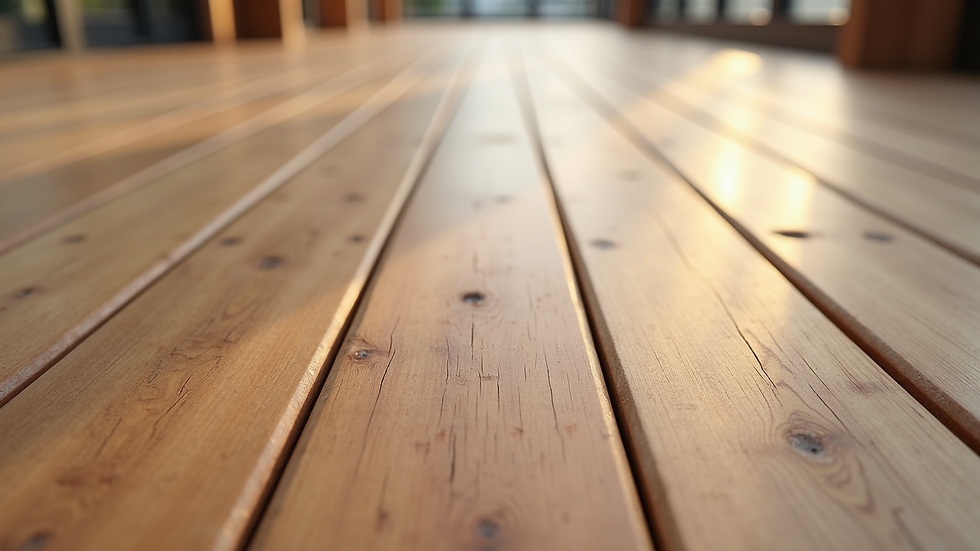
What are the three types of timber floors?
When people talk about timber floors, they often mean these three main types:
Solid Timber Flooring
This is the classic choice. It’s made from one solid piece of wood. You can sand it down and refinish it multiple times. It lasts for decades if cared for properly. Solid timber floors give a natural, warm look. They work best in dry areas because they can expand and contract with moisture.
Engineered Timber Flooring
Engineered floors have a top layer of real wood. Underneath, there are layers of plywood or high-density fiberboard. This design makes them more stable. They resist warping better than solid timber. Engineered floors are great for places with moisture changes, like kitchens or basements. They also come in many styles and finishes.
Laminate Flooring
Laminate is a synthetic product. It has a photographic layer that mimics wood grain. It’s cheaper and easier to install than real timber. Laminate is scratch-resistant and good for busy homes or offices. However, it can’t be sanded or refinished like real wood.
Knowing these three types helps you narrow down your options. Each has a place depending on your needs and budget.

How to Choose the Right Timber Floor for Your Space
Picking the right timber floor depends on several factors. Here’s what I consider when helping clients:
Room Use: High-traffic areas need durable floors. Solid timber or engineered floors work well. For low-traffic rooms, you can choose more delicate finishes.
Moisture Levels: Bathrooms and kitchens have more moisture. Engineered timber or laminate floors handle this better.
Style and Color: Timber floors come in many colors and grains. Light floors make rooms feel bigger. Dark floors add warmth and elegance.
Budget: Solid timber is usually the most expensive. Engineered timber offers a good balance of cost and quality. Laminate is the most affordable.
Maintenance: Solid timber needs regular care and refinishing. Engineered timber is easier to maintain. Laminate requires the least upkeep.
I always recommend visiting a showroom to see samples. Touch and feel the wood. This helps you imagine how it will look in your space.
Benefits of Installing Timber Floors
Timber floors offer many advantages. Here are some reasons why they remain popular:
Durability: Good quality timber floors last for decades.
Easy to Clean: Sweeping and mopping keep them looking great.
Adds Value: Timber floors increase property value.
Timeless Style: They never go out of fashion.
Improves Air Quality: Unlike carpets, timber floors don’t trap dust or allergens.
Versatility: They suit both modern and traditional interiors.
If you want a floor that looks good and lasts, timber is a smart choice.
Tips for Maintaining Your Timber Floor
Keeping your timber floor in top shape is easier than you think. Here are some simple tips:
Sweep or Vacuum Regularly: Remove dirt and grit that can scratch the surface.
Use a Damp Mop: Avoid soaking the floor with water.
Place Mats at Entrances: This reduces dirt and moisture.
Use Furniture Pads: Protect floors from scratches caused by chairs and tables.
Refinish When Needed: Solid timber floors can be sanded and refinished to look new.
Avoid Harsh Chemicals: Use cleaners made for timber floors.
Regular care extends the life of your floor and keeps it looking fresh.
Ready to Upgrade Your Floors?
If you want to explore more about types of timber flooring, check out trusted suppliers. They can guide you through the options and help you find the perfect fit.
Timber floors bring beauty and value to any space. Whether you choose solid, engineered, or laminate, you’ll enjoy a floor that stands the test of time. Start your flooring journey today and see the difference timber can make.


Comments